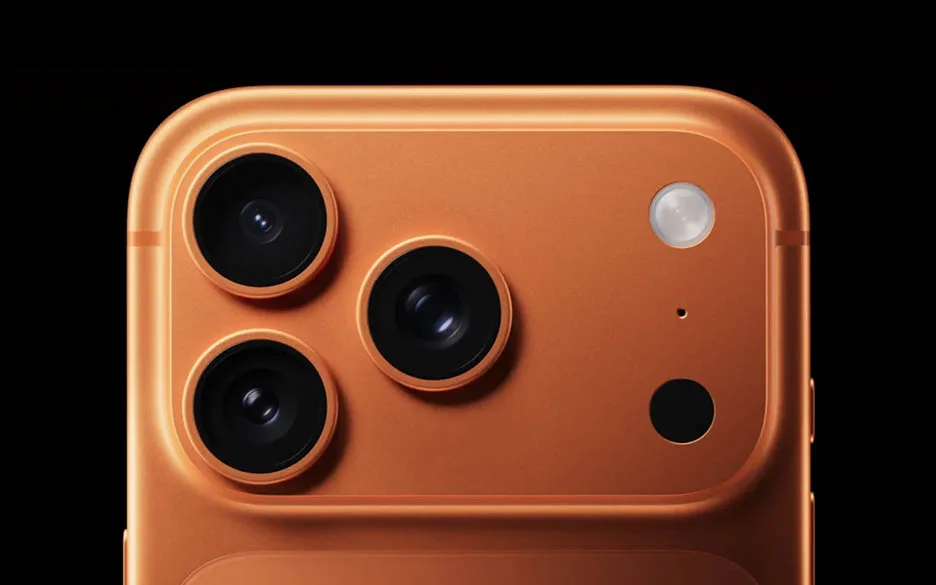
Apple unveiled the iPhone 17 Pro today, a design refresh that feels both familiar and new. After years of subtle refinements, the 3- to 5-year design cycle has returned, carrying deep psychological weight.
The cadence is deliberate. It allows users to grow comfortable with the device until it becomes an extension of their habits, then renews that relationship with form, feel, and subtle improvements. This rhythm sustains loyalty while creating a sense of anticipation.
Cognitive refresh and anticipation
Knowing that a refresh comes every few years primes users to expect change. That anticipation is engagement in itself. People follow leaks, compare specs, and wrestle with the question: “Do I upgrade now or wait?” This sparks reflection on their current device, their habits, and their values. The refresh cycle becomes a ritual moment to pause and reconsider what matters most in a phone.
Each refresh reminds us of the balance between stability and novelty. We keep our gestures, layouts, and pocket comfort, but rediscover craft in a brighter display, stronger glass, or more efficient thermal design. Small gains, multiplied across daily use, create delight.
The iPhone 17 Pro: where we are now
This generation doubles down on core experience levers: a brighter and more vivid ProMotion display with better scratch and glare resistance, more efficient thermal management, stronger glass, longer battery life, and more capable cameras and storage.
It is not a reinvention of the smartphone but a refinement. In a mature category, progress comes through subtle gains. Yet those small improvements compound for users who interact with their phone hundreds of times a day.
The deeper story is psychological
A new design not only upgrades performance, but it also reinvigorates identity. Our phones are companions and status markers, and a refresh resets how we feel about both.
My prediction: Apple will sell a great many of these new phones on the back of the redesigned camera platforms alone.
Why: People want to stand out, and nothing says “new” more clearly than a back that looks entirely different from the iPhones of the past five years.